
CBT Therapy for Women Feeling Stuck in Unhelpful Patterns.
You may find yourself caught in cycles of self-criticism, overwhelm, perfectionism, difficult eating patterns, PMDD-related distress, or simply feeling exhausted from trying so hard to cope.
Therapy offers a space to better understand what is happening beneath these patterns and build more sustainable ways forward.
You May Recognise Your Self Here
You feel like a different version of yourself at certain points in your menstrual cycle and find yourself wondering why everything suddenly feels harder to manage.
You keep telling yourself that if you could just get your nutrition, routine, productivity, or habits right, everything else would start to fall into place.
You spend a lot of time trying to improve yourself, yet still find yourself feeling not quite good enough.
You are often harder on yourself than you would ever be with somebody else.
You dislike parts of your body and find yourself believing you would feel more confident, happier, or more comfortable if you could just change them.
You have read the books, listened to the podcasts, followed the advice, and still find yourself returning to the same patterns.
You tell yourself you need to try harder, do better, or be more disciplined, yet often end up feeling exhausted by the pressure.
If this feels familiar, you are not alone. These experiences often make far more sense than they first appear.How I Work
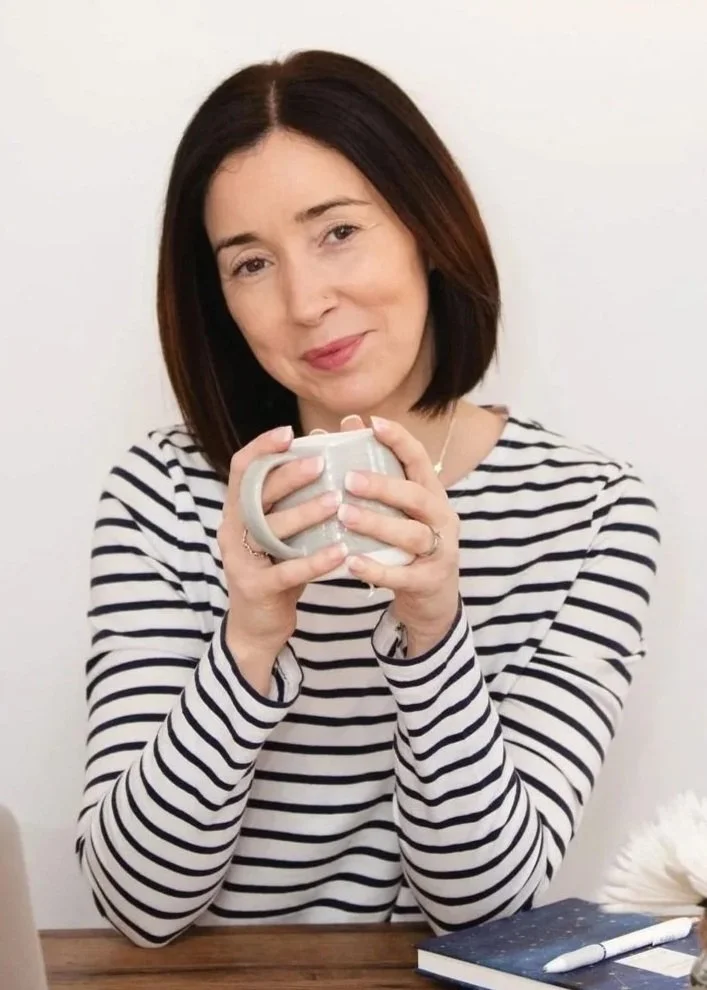
Therapy with me is both reflective and practical.
Together we explore the patterns that may be keeping you stuck, helping you develop greater insight and understanding into what is driving your difficulties. From there, we focus on building realistic and sustainable changes that can be applied in everyday life.
My work is grounded in Cognitive Behavioural Therapy (CBT) and draws on compassion-focused approaches, behavioural science, positive psychology, and nutrition-informed support where appropriate.
I see therapy as a collaborative process. While our sessions provide space for reflection, curiosity, and sometimes a little humour, meaningful change often happens between sessions through experimenting with new perspectives, behaviours, and habits in daily life.
The aim is not perfection. It is to help you build a more flexible, sustainable way of moving forward.
Areas of Support
Self-Criticism & Perfectionism
When your inner standards feel impossible to meet and self-worth becomes tied to achievement, productivity, or getting things right.
Eating Patterns & Body Image
Support for emotional eating, binge–restrict cycles, body image concerns, and difficult relationships with food.
PMDD & Hormonal Vulnerabilities
Understanding how cyclical changes in mood, energy, and coping capacity can influence emotional wellbeing and daily life.
Overwhelm & Burnout
When life feels relentless, capacity feels stretched, and you are struggling to keep up with the demands placed on you.
Self-Worth & Confidence
Building self-worth that feels less dependent on achievement, appearance, productivity, or getting things right.
Therapy Is Not About Becoming a Different Person…
It’s about developing a more flexible and sustainable relationship with yourself. ✓⃝ Reduce self-criticism
✓⃝ Greater emotional resilience
✓⃝ More flexible coping strategies
✓⃝ Improved confidence
✓⃝ Build more self-trust
✓⃝ A more helpful relationship with food and your body
Latest Articles

Taking The First Step Can Feel Difficult
If you would like to explore whether therapy might be helpful, you are welcome to book a free 15-minute consultation.
There is no obligation and no pressure to continue.